Picture the morning a major analyst designation lands. The Slack channel lights up. Sales wants the badge in every deck by Friday. Marketing already has the plan, and it is a good one: a landing page for the gated report, a press release, a blog post that is mostly the press release, an email to customers, another to prospects, a paid social flight, and a coordinated round of posts from your happiest advocates.
Every piece of that plan is correct. And almost all of it will be gone in two weeks.
The Launch-Window Illusion
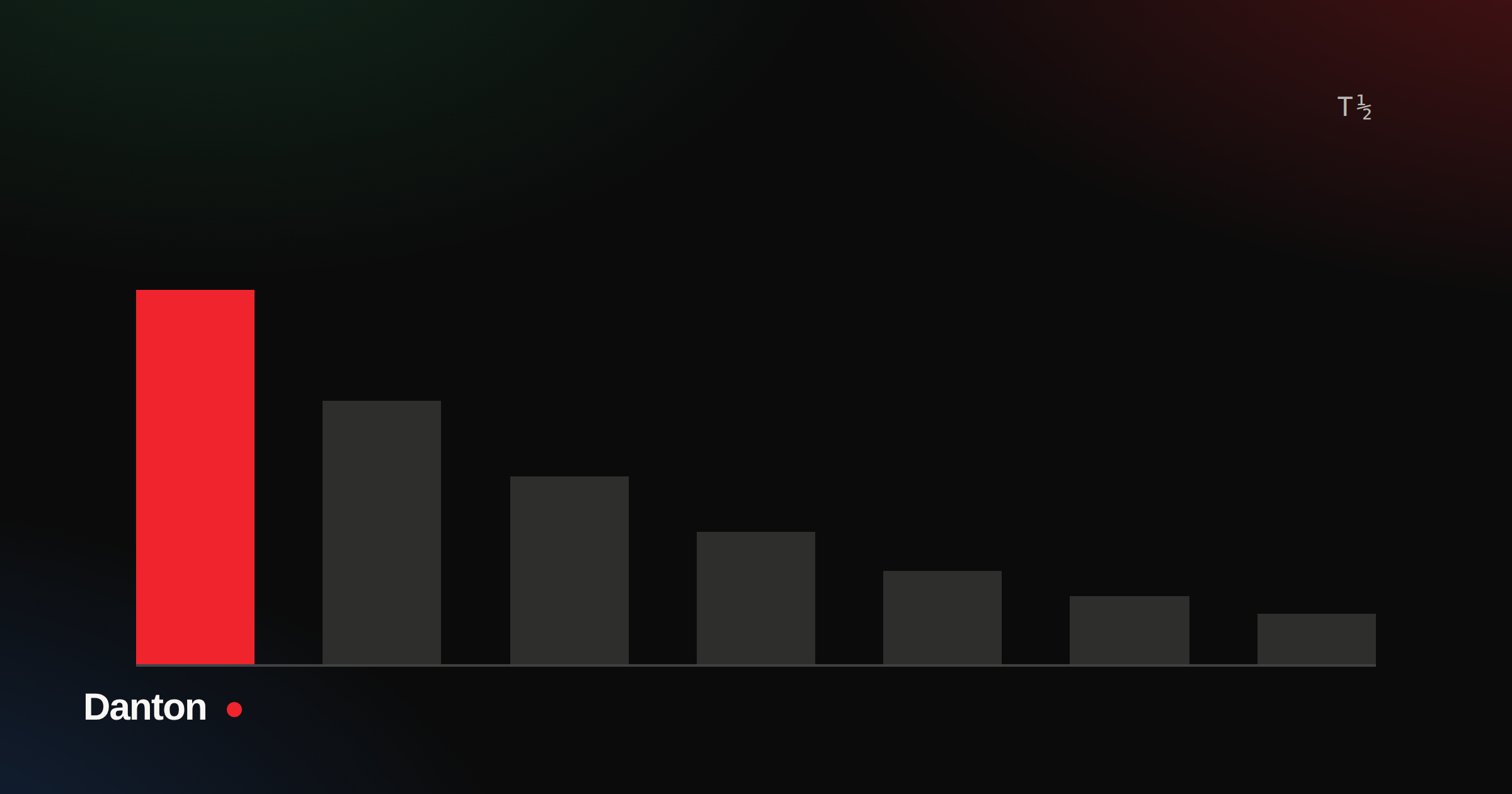
We call this The Launch-Window Illusion: the belief that because the launch was loud, the recognition is durable. Look at the plan again and notice what every asset has in common. The press release gets picked up, then buried under the next day's wire. The emails get opened, then archived. The paid flight runs exactly as long as the budget line. The advocate posts slide down the feed by Thursday.
Traffic spikes. Mentions spike. Pipeline gets tagged. Then the line returns to baseline, and the only permanent artifact is a badge on a slide.
The window model made sense when buyers found you through channels you could re-buy. It fails now for a simple reason: the surfaces where buyers actually ask about analyst recognition are not channels. They are answers.
Where buyers actually ask
Three buying moments matter. Between cycles, when a future buyer is quietly forming opinions about who is credible. Entering the cycle, when they ask an engine to name the serious vendors in the category. And final evaluation, when someone pastes your name and one finalist into Claude or ChatGPT and asks which is the stronger choice.
In all three moments, buyers ask questions your launch plan never touched. Which vendors are recognized leaders in this category? Has anyone independent evaluated these platforms? What do the analysts say about us versus them?
Now audit the launch assets against those prompts. The report sits behind a form, inside a PDF, under license. Engines cannot read it. The press release lives on a wire domain that decays fast and gets cited rarely. The paid posts were never citable at all. Two months after the loudest week of your year, a buyer can ask a reasonable question about recognition in your category and hear an answer that does not include you.
You did a lot of good work. The engines will not cite any of it.
The durability layer
Run the launch. We are not telling you to skip the spike. We are telling you to add the layer underneath it, the one that keeps paying after the window closes.
An ungated recognition page built to be cited. Plain HTML on your own domain. The designation named exactly as the analyst wrote it, what was evaluated, when, and why you placed where you did, with a summary an engine can lift cleanly. This page is not a lead form. It is the permanent public record of the recognition, written for machines and skeptics.
Schema and entity work that connects you to the designation. Organization markup, consistent naming, explicit links between your company entity and the recognition across your site and profiles. If your company is named three different ways across the web, the machines may never connect the badge to the business.
A third-party footprint. Engines lean on corroboration. A designation that exists only on your own domain reads like a claim. The same designation reflected in trade coverage, partner pages, directories, and review platforms reads like a fact. The launch window is your best shot at earning that footprint, and most teams spend it on impressions instead.
Coverage of the evaluation prompts. Build the pages that answer the questions where recognition actually gets raised: an analyst recognition hub, honest comparison pages that cite the designation in context, category explainers that put the badge next to the evidence. This is core AI search optimization work, and it is where the badge stops earning applause and starts earning pipeline.
This moves faster than you would guess
Citation surfaces are not fixed. We watched a Series D identity verification company go from trailing to most-cited leader on its highest-value topics across ChatGPT, Perplexity, and Google AI Overviews in a single quarter. Recognition assets were part of that motion. The point is not the speed. The point is that answers are earned, and earned answers persist in a way a paid flight never will.
A badge that compounds
Here is the test we would put to any growth leader holding a fresh designation. Twelve months from now, when a buyer you have never met asks an engine whether anyone independent has validated the vendors on their shortlist, does your recognition show up in the answer?
If yes, the designation compounds for a year, quietly, in conversations you never see. If no, it spiked for a fortnight, and the memo that justified the analyst budget was really a memo about a party.
You spent months earning the recognition. Spend the next quarter making it legible to the systems your buyers trust. The launch is the easy part. The half-life is the part you can control.
Want to know where your last designation shows up in AI answers today? Ask us to run the AI Search Diagnostic on it, then talk to Danton about what your durability layer should look like.